


When the Westcott Horticultural Society held its last show in July 1914, nobody knew it would be the last. After the First World War, the village’s annual show, which had been a fixture of the Westcott summer since 1901, simply did not come back (read about the society’s Edwardian heyday). For almost forty years the only gardening competitions anyone could trace were small exhibitions at the annual village fete.
So did Westcott stop gardening? Of course it didn’t. The records stop, not the gardening. What the village lacked was an organisation to give it a proper stage.
The revival, 1954–1955
The stage was rebuilt by four residents: J. Burgess, W. Martin, E. Shepherd and G.W. Pearce. In August 1954 they put on a flower and vegetable exhibition in St John’s Church Hall, and it drew enough interest to justify a second attempt. On 6 August 1955 a further show was held at The Hut. It attracted plenty of entries and, just as importantly, finished a few pounds in profit.
The Gardeners’ Club is born
On Tuesday 4 October 1955, at 7.45pm, an open meeting was held at St John’s with one purpose: to form a gardeners’ club for Westcott. It had been called by H.W. Keeping. The handwritten minutes record that the vote was unanimous, and that the new Westcott G.C. would be “open only to residents in Westcott.”
Mr Keeping became the first President, with K.B. Habgood as Vice President. The officers were F.H. Tupper (Chairman), G.W. Pearce (Secretary), A.F. Hussey (Treasurer) and Ron Pearce (Assistant Secretary). The founders hoped for a committee of six ladies and six gentlemen alongside the officers, but conceded on the night that this wasn’t yet possible. Ten ordinary members were elected instead: Messrs Capper, Shepherd, Inwood, Holway, Lillywhite and Burgess, and Mesdames Hussey, Duffield, Pearce and Knight. The £5 left over from the summer show was handed over to get the club started.
The subscription was set at 2s 6d a year from 1 October 1955. That is exactly the minimum a member paid in 1913. Forty-two years, two world wars, and not a penny of inflation.
Finding its feet
The club grew quickly. Talks, socials and practical demonstrations were held at the Church Hall, and 91 members joined in the first season, which ran to the end of September 1956. The first club show was held at The Hut on 28 July 1956, with 37 exhibitors and about 150 visitors. Vice-President J.D. Dow made the speech. He called it “a wonderful result” for a club that had started “less than two years ago“, counting, as the founders did, from the first little exhibition of August 1954. Mrs Dow presented the prizes. By September 1959 the autumn show alone had a record 350 exhibits. It was staged in St John’s Church School Room, as The Hut was still shut. The Hut, built by the YMCA in Furlong Road in 1919, was condemned as unsafe and closed in 1957. When it reopened under a new village charity in 1959, the Gardeners’ Club provided the bouquet for the visiting celebrity who opened it.
The shows didn’t stay village-only for long. In 1957 a professional gardener from Abinger was turned away from the annual show, and someone asked the Chairman whether the club was a “closed shop“. After “some argument“, the AGM that October changed the rules to a “no limit radius“: anyone, from anywhere, could enter. The shows have been open to all comers ever since.
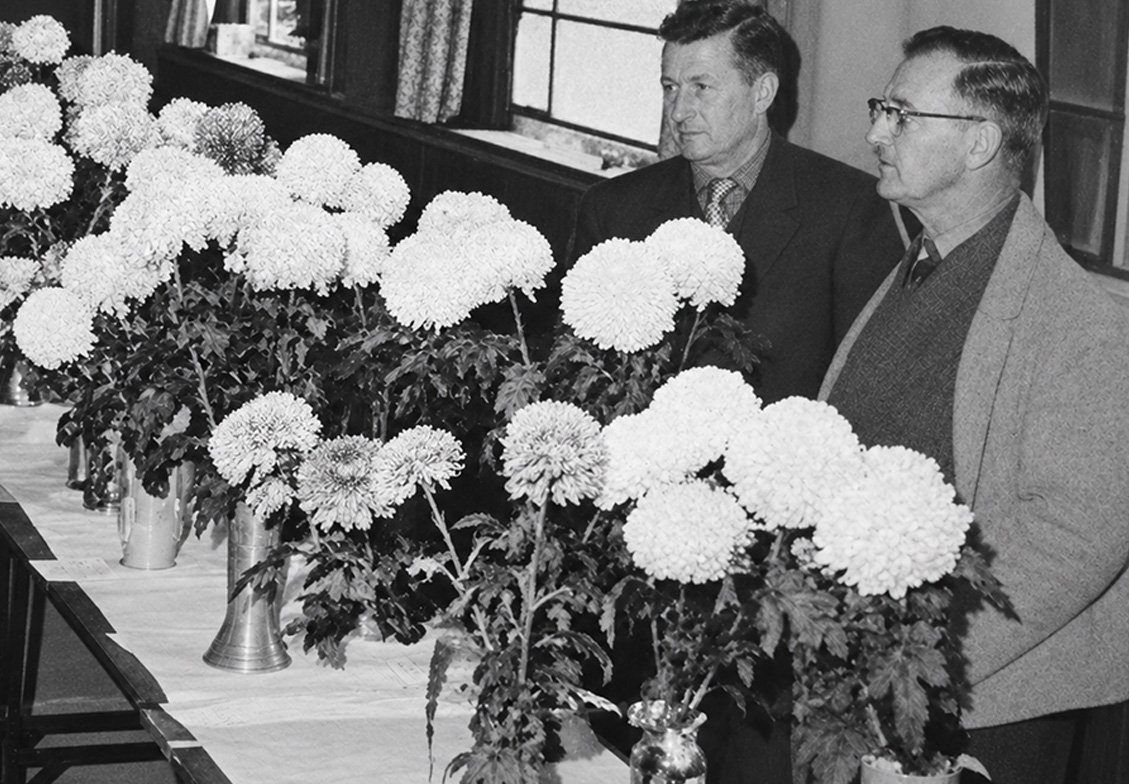
The same meeting took up Chairman F.H. Tupper’s idea of adding an autumn show, appropriately in September when the Edwardian Dahlia Shows had taken place in the village. The shows multiplied almost as fast as the members. In 1958 the committee tried a second show, in autumn and for members only, and it pulled in 260 exhibits, nearly as many as the whole summer show of the year before. That same summer’s show had 576 exhibits, up 300 in twelve months. In 1959 an Early Summer Show was added, and Westcott settled into the three-shows-a-season pattern it kept for decades, all run by J. Inwood as Show Secretary.
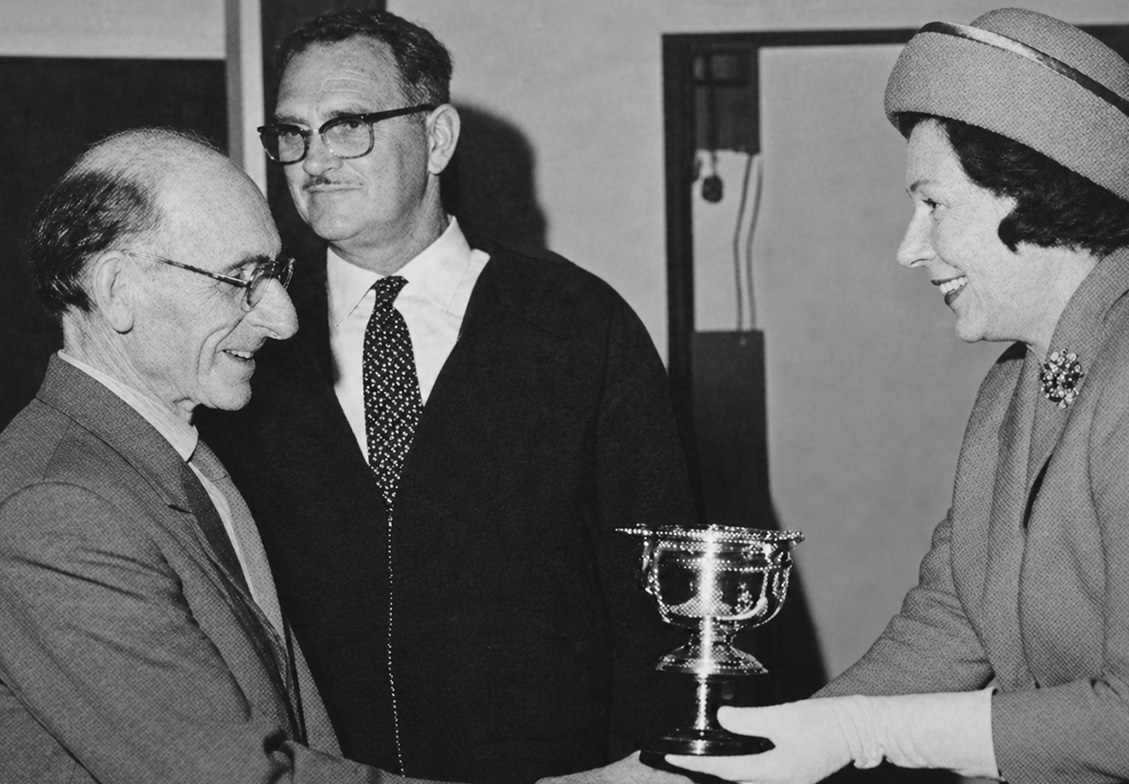
Trophies followed. Several of the cups still competed for today were given in those first few years, by the founders themselves and by friends of the club (read about the founders’ trophies).
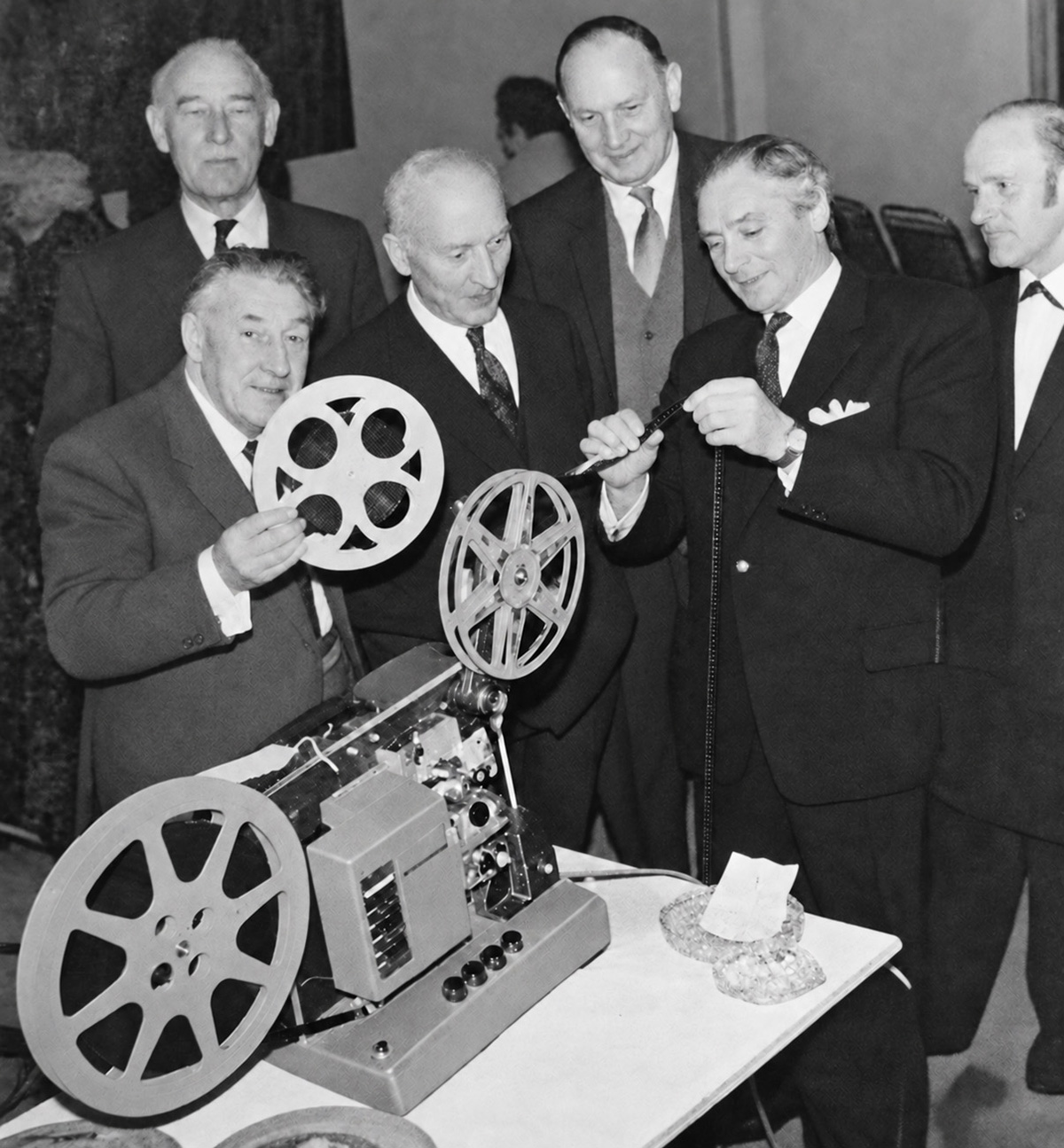
There was more to it than showing. Winter brought lectures on vegetables, roses, sweet peas, and pests and diseases, as well as plant swaps, film shows and an annual social. The February 1959 social had community singing, wall games and the Plantation Skiffle Group. In 1957 Mr Keeping’s work took him to Bristol. The club presented its first President with an engraved silver tankard, and Ken Habgood persuaded the village doctor, Dr Kingsley-Jones, to take his place.
The club looked beyond its own members, too. In 1958 Leslie Capper suggested giving bulbs to the village’s elderly and housebound, and the club’s new President, Dr Kingsley-Jones, drew up a list. That Christmas, five villagers each got a pot plant in flower. A year later the doctor’s list had grown to eleven, all bedridden, and two of the committee delivered the plants themselves on Christmas Eve. By the mid-1960s the committee was spending a Saturday every December delivering pots of hyacinths “until well after dark“.
By around 1962 there were more than 160 members. The shows of 1961 drew 1,244 exhibits, and the club fully expected to beat that the following year.
Through the decades
The club’s minute books from the 1960s to the 1990s are mostly what you would expect: shows, suppers, raffles, and the eternal question of where to buy more vases. But a few moments stand out.
1966. A.F. Hussey, the founding Treasurer, left the village for Kent. The members presented him with a stainless steel spade, which strikes us as exactly the right present. The club now owned so many show vases that it hired them out to neighbouring shows, 300 at a time.
Late 1960s. A spring social at The Hut drew more than 100 members and guests, with a buffet supper, music from The Hut’s new hi-fi, and films on parks and gardens and the landscaping of new towns. But the newspaper report noted that the club was “still unable to find a secretary or treasurer“. Ken Habgood was Chairman and Secretary at once, and Mrs Habgood quietly kept the books.
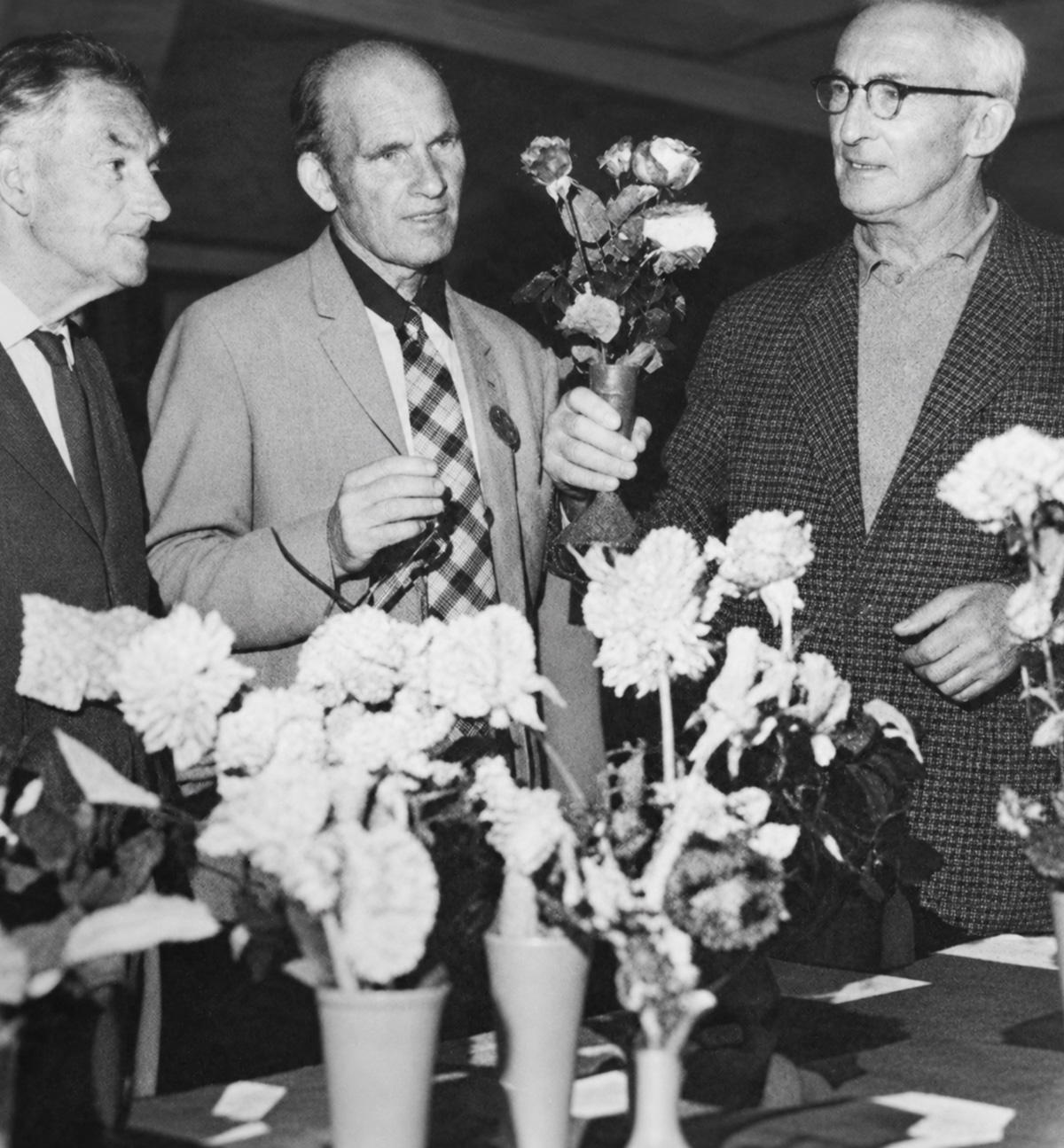
1972. An unusually dry summer left the benches so thin that, for the first time in years, the home produce classes had to be moved onto the main show bench to fill the space. Then, with a poor autumn show in prospect, a Mr Dumbrill turned up with an armful of flowers, too late to compete, staged them for display anyway, and joined the club there and then, paying two years in advance. That May a dozen or so cars had set off in convoy for a club outing to RHS Wisley. All but one came home in good time. The other took a wrong turning and came home via Woking.
1977. For the Queen’s Silver Jubilee the club wanted to brighten the village with spring bulbs on the Green and outside the Cricketers Inn. First, though, came what the minutes call “lengthy correspondence” with Mole Valley Council about exactly where the bulbs could go and what distance they had to be from the road. In October 1977 three committee members finally got them in the ground. If you see them flowering each spring, that’s why. Members also filled Holy Trinity Church with flowers for the Jubilee and ran a stall at the lych gate in what the minutes describe as rather stormy weather.
1979. The open-to-all rule of 1957 meant the cups didn’t always stay in Westcott. In the late 1970s the autumn show’s star was Charles Wright, a Dorking bus conductor with a flat in Springfield Road and no garden at all. He grew everything on two allotments in Coldharbour Lane and took the top points, best in show and both the dahlia and chrysanthemum cups. “Some wives are golf widows,” his wife told the paper. “I’m an allotment widow.” Then, in 1979, the Village Club extended its premises across the front of The Hut, and the show moved to the Reading Room. It promptly had its “best ever” show, with plenty of children joining in. Wright took the top points again, but the best exhibit in show went to George Mansey, a committee member since 1957, with his black grapes.
1980. After 25 years, the founding generation handed over. Ken Habgood, Vice President in 1955 and Chairman for many years since, stood down, and so did Leslie Capper, who had been on the very first committee. Mrs S. Wilkinson took over as Chairman. She is the first woman in the chair in any of the minutes we have seen.
1990. For years the club had raised money from a plant stall at the Westcott village fete each May. When the fete was cancelled in 1989, and no one could be found to organise it again, the club did what any sensible gardening club would: it hired a theatre company. A revue at the Hut was such a success that a Victorian Music Hall evening followed in November 1990, and all 80 tickets sold.
1991. The committee overhauled the show schedules. Courgettes, mangetout, cherry tomatoes, home-made wine and the club’s first photography class came in. It is as neat a picture of changing tastes in the vegetable garden as you could ask for.
2000–2002. Open Gardens – Gardens in the village had been opened independently throughout the 20th century to raise money for charity. In 2000 the club opened the village’s gardens to visitors for the first time as a group, raising “a lot of money” for Westcott’s Millennium fund and the village school.
In 2001 Roger Palmer handed the chair to Jeremy Deloford. For the 150th anniversary of Holy Trinity Church in 2002, the vicar asked the club to run another Open Gardens day. Eight gardens were offered, teas were planned at the school, entry was £3, and the plant stall profits were split with the church. Around the same time, the club agreed to give a rosette for every Best in Section, with a bigger one for Best in Show, and got its first web page.
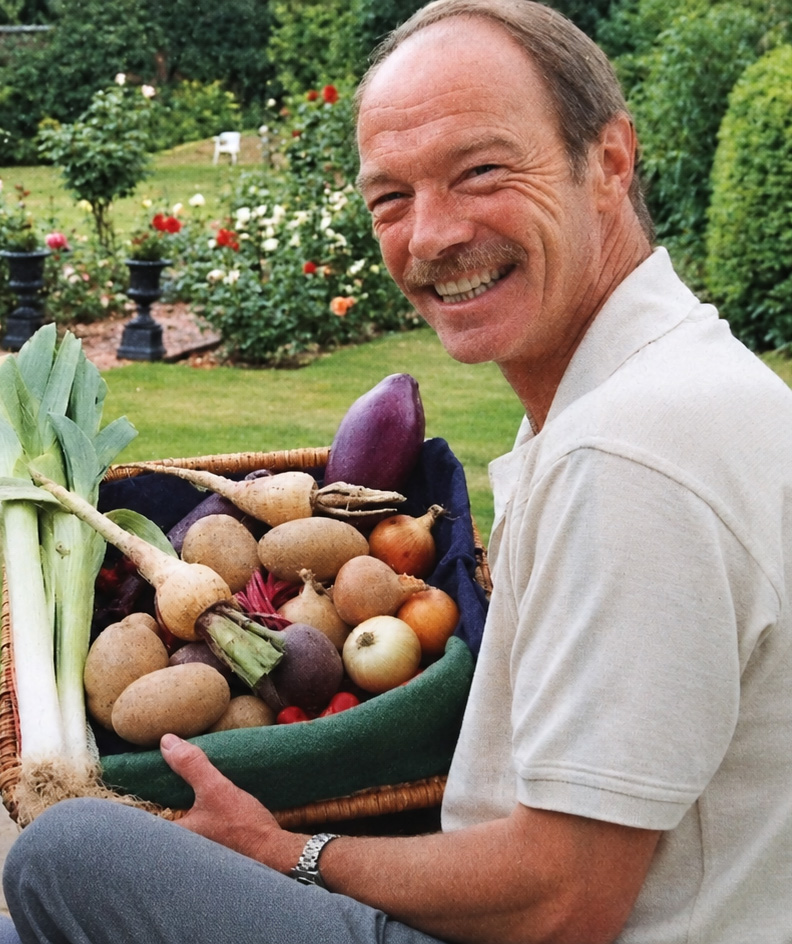
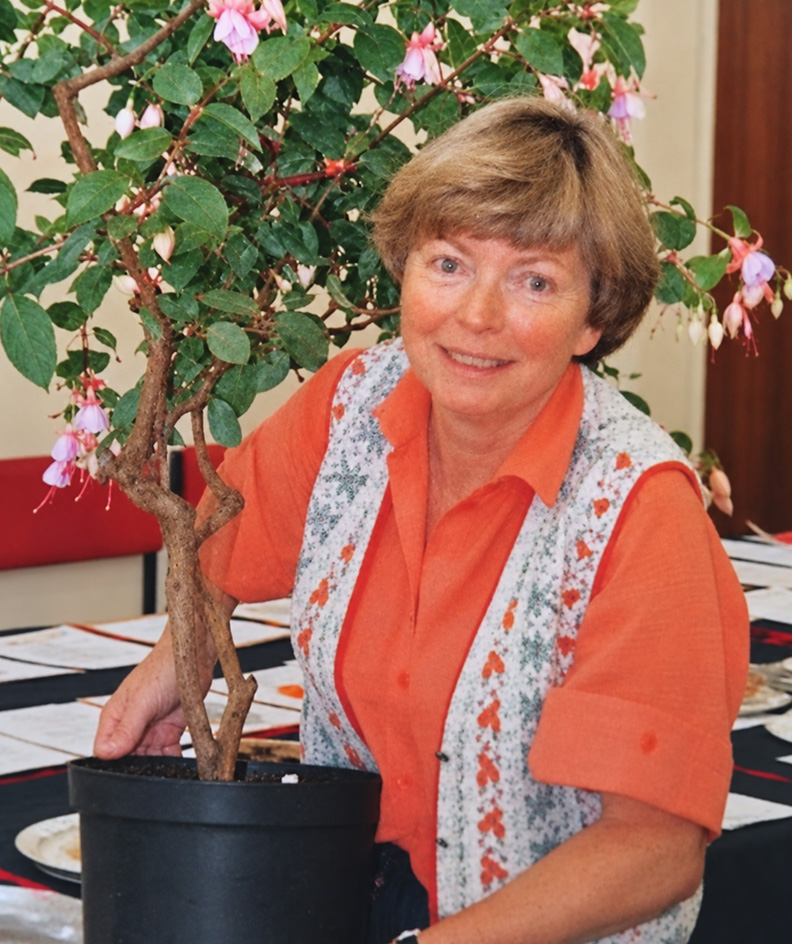
2016-2026. In April 2016 club Chairman, Jeremy Deloford, passed away and Alistair Meldrum stepped in as Chairman, as a stopgap. The stopgap lasted seven years. In 2020, for the first time in the club’s 65 years, there were no shows at all. Covid closed the club, so it didn’t collect subscriptions either. The committee kept the wild flower triangle going, sold bulbs cheaply and helped light the Christmas tree on the green. With no shows to win it, the club’s top award, the RHS Banksian Medal, went “unanimously, and virtually” to the Secretary, Sheena Salmon, for keeping the club running after the passing of Jeremy. Meanwhile lockdown sent plenty of villagers out into the garden, many of them, as the club’s report put it, planting vegetables “maybe for the first time“.
In 2023 Alistair handed the Chairman’s role over to Matt Peskett, at a meeting that also said goodbye to Rob Hedges and Sue Willis, with more than 40 years’ service on the committee each. In 2024 Steve and Madeleine Brooks also stepped down from the committee after equally lengthy tenures. Unfortunately, Matt was taken seriously ill in 2024 and Alistair Meldrum kindly stepped back into the Chair for two more years. Matt is now in remission and back as club Chairman. In 2026 Matt presented the trophies at both our summer and autumn shows, something his ancestor Charles March had done some 166 years earlier.
So how old is gardening in Westcott?
At the 1998 AGM, a member wondered aloud if Westcott had ever run a “best garden” competition. The meeting was told that none had ever been held. In fact, the old Westcott Horticultural Society had run a best cottage garden competition from its very first show in 1901, and the Westcott Floral and Horticultural Society had one in 1857. Within a couple of generations, the club had forgotten it was the third society of its kind in Westcott, not the first. Westcott Gardeners’ Club dates from 4 October 1955, but gardening as something this village does together goes back to September 1857.
Can you help fill the gaps? If you have old show schedules, prize cards, photographs, newspaper cuttings or family stories about the club, from any decade, we would love to hear from you.
*Sources: the club’s minute books (1955 onwards); newspaper reports of the club’s shows and socials (1956–1979); a typed history of the Westcott Horticultural Society written around 1962; the club’s report in the village magazine for 2020; and the minutes of the 2023 AGM.*